
Building a Manga Library – Your Ultimate Guide to Curating a Personal Collection of Art, Stories, and Culture
The concept of a manga library transforms the way enthusiasts engage with Japanese comic art and storytelling. Whether you’re a casual fan, a dedicated collector, or an aspiring curator, establishing your own manga library is about more than just stacking volumes; it’s about creating a reflection of your interests, tastes, and passion for storytelling. In this comprehensive guide, we’ll explore how to build, organize, preserve, and expand your manga library effectively, turning it into a personal haven of culture and creativity.
Building Your Personal Manga Library – A Comprehensive Guide
Creating a manga library begins with a clear vision of what you want it to represent. Are you focusing on collecting all editions of a favorite series, exploring rare and obscure titles, or building a comprehensive archive of genres? The process involves thoughtful selection, resourceful acquisition methods, and strategic planning. It’s about transforming an ordinary collection into a curated universe that resonates with your interests. As you build, remember that quality often trumps quantity—select editions that are well-preserved, feature good print quality, or hold sentimental value. This initial groundwork sets the foundation for a fulfilling and sustainable manga library that can grow with your evolving tastes.
A well-structured approach includes setting a budget, researching titles, and prioritizing your favorite genres or series. Consider whether you prefer hardcover editions, manga box sets, or vintage copies—each offers different aesthetic and collectible value. Building your manga library also involves immersing yourself in communities, attending conventions, or browsing local bookstores and online marketplaces. These avenues diversify your sources and deepen your understanding of the manga world. Ultimately, building a manga library is a journey as much about personal growth and discovery as it is about collecting volumes—each addition becomes a part of your story and a testament to your passion.
read manga online best website
 Hình minh họa: manga library – read manga online best website
Essential Manga for Every Collector – Starting Your Library Right
When beginning your manga collection, it’s vital to identify core titles that will serve as the backbone of your library. These essentials often include landmark series that have influenced the manga industry or hold significant cultural value. For newcomers, classics like Osamu Tezuka’s Astro Boy, Akira Toriyama’s Dragon Ball, and Rumiko Takahashi’s Inuyasha serve as excellent starting points. These series offer diverse genres and storytelling styles, giving a rounded foundational experience. Investing in these core titles ensures that your manga library begins with quality works that are both accessible and historically significant.
Beyond the classics, consider adding a few modern masterpieces, such as Attack on Titan, My Hero Academia, or One Piece, which illustrate contemporary trends and are widely celebrated. Building your collection with a mix of historical and recent titles provides a comprehensive view of manga’s evolution. Also, don’t overlook niche genres like shojo, seinen, or seinen, which cater to different interests and demonstrate manga’s versatility. Starting your library with these essential titles ensures that you not only enjoy engaging stories but also acquire works that appreciate in value or cultural relevance over time. Your initial investments will lay the groundwork for more personalized and expansive collecting endeavors.
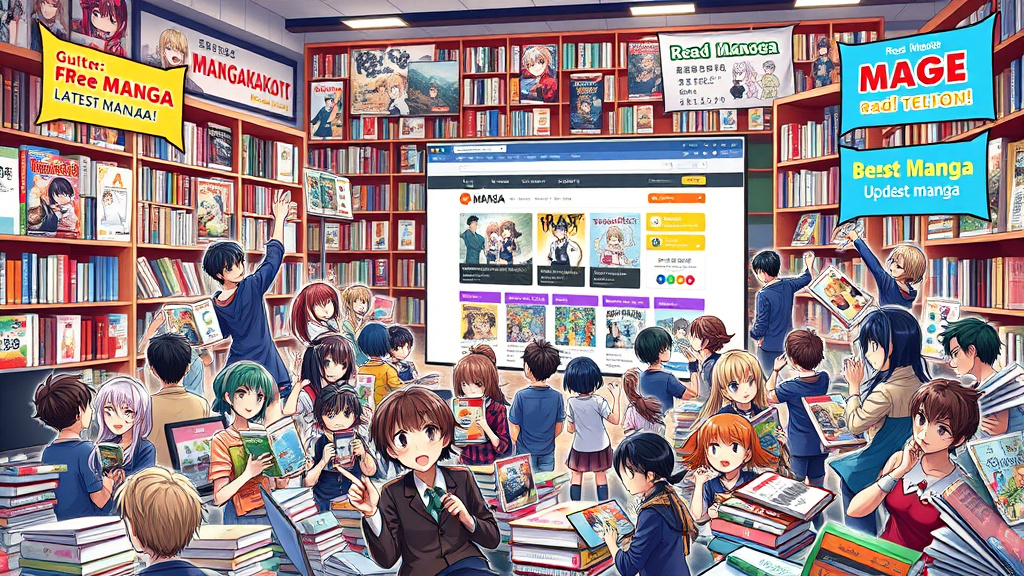
Manga Library Organization – Creating a Visually Appealing and Accessible Collection
Organizing your manga library isn’t just about neatness; it’s about creating an environment that invites exploration and inspires admiration. One effective method is categorizing your collection by genre, author, series, or publication date—whichever makes the most sense for your browsing habits. Utilizing bookshelf design, color-coded labels, or thematic sections can enhance visual appeal and make locating specific titles effortless. As your collection grows, incorporating custom display elements such as manga stands, framed covers, or illuminated shelves can transform your library into a dedicated space of aesthetic enjoyment.
Aesthetic organization feeds into the overall experience of your manga library. Consider incorporating elements like thematic decor, lighting, and even seating areas to make your space inviting. Accessibility is key: prioritize easy-to-reach shelving for frequently read titles while storing less-accessed volumes in suitable storage solutions. Digital catalogs or inventory apps can be useful tools for tracking your collection, especially as it expands. A well-organized manga library is not just functional but can serve as a personal sanctuary—a visual tribute to your passion—where each volume is within hand’s reach and each visit sparks joy and inspiration.
Budgeting for Your Manga Library – Tips for Affordable Collecting
Building a manga library doesn’t require unlimited funds—strategic purchasing and smart budgeting are essential. Start by setting a realistic monthly or yearly budget, considering the value of rare editions or first prints and balancing them against more affordable, everyday titles. Online marketplaces, thrift stores, library sales, and manga conventions often offer discounted or collectible volumes at a fraction of retail prices. Additionally, buying in bulk or subscribing to manga subscription boxes can offer significant savings, making it easier to expand your collection without breaking the bank.
Another useful tip involves prioritizing your must-have titles and exploring alternative editions—such as paperback versus hardcover—to maximize value. Keep an eye on sales, clearance sections, and digital manga options, which often come at lower prices while maintaining quality. Furthermore, trading with other collectors or participating in manga swaps can be a cost-effective way to diversify your library. Budget consciousness turns collecting from an impulsive hobby into a sustainable passion, ensuring that you can enjoy your manga library for years to come without financial stress. Smart planning allows you to indulge your collection ambitions while maintaining control over expenses.
Preserving Your Manga – Protecting Your Library from Damage and Degradation
Preservation is the backbone of a lasting manga library. Proper handling, storage, and climate control significantly extend the life of your volumes. Always handle manga with clean, dry hands, and avoid excessive bending or folding pages. Storage solutions like acid-free boxes, manga sleeves, or protective covers shield your collection from dust, dirt, and light—that natural adversary of printed materials. Keep your manga in a cool, dry environment, ideally at a consistent temperature and humidity level, to prevent warping, mold, and deterioration, especially if you keep vintage or rare editions.
Beyond physical protection, digital backups of any scanned or digital copies help preserve your collection in the face of loss or damage. Regularly inspecting your collection for signs of deterioration, such as discoloration or insect damage, enables prompt intervention to prevent further damage. By maintaining a disciplined preservation routine, you ensure that your manga library remains vibrant, organized, and valuable over time. This commitment not only preserves your investment but also celebrates the art and storytelling that make manga such a rich cultural artifact worthy of lifelong care.
Beyond the Basics – Expanding Your Manga Library with Obscure Titles and Formats
While building a collection around popular and well-known titles is rewarding, exploring obscure or lesser-known manga adds depth and uniqueness to your library. Titles by independent creators or those published by small presses often feature experimental storytelling and innovative artwork. Seek out international editions, special collector’s editions, or vintage manga that haven’t made mainstream waves, as these can turn your collection into a truly unique repository of manga history. Patience and research are key—many of these titles can be found through specialized stores, online collector forums, or international manga conventions.
Additionally, diversifying formats—such as tankobon, omnibus editions, digital manga, or artist’s signed copies—can enhance both the aesthetic and collectible value of your library. Exploring manga in different formats allows for a richer understanding of the medium’s evolution and expands your ability to enjoy manga in various ways. Collecting these offbeat titles and formats demonstrates your dedication and curiosity, turning your manga library into a vibrant and eclectic archive that spans beyond mainstream bestsellers, capturing the essence of manga’s cultural spectrum.
The Digital vs. Physical Manga Library – Weighing the Pros and Cons
The debate between digital and physical manga libraries remains heated among collectors and readers alike. Digital manga offers undeniable convenience—instant access, space-saving storage, and often lower costs—that appeals to modern lifestyles. Advances in e-readers and apps have made browsing, purchasing, and reading digital manga seamless. However, digital editions can’t replicate the tactile experience and aesthetic charm of physical books, which many enthusiasts cherish. Physical manga provides a sense of nostalgia, collectible value, and a tangible connection to the art that digital formats often lack.
On the other hand, digital libraries are fiercely practical for those with limited space or who prefer portability. Cloud storage or app libraries allow you to carry hundreds of volumes in your pocket. Physical collections, however, require dedicated space, meticulous organization, and preservation efforts. Ultimately, the choice depends on your priorities: if you value the sensory experience and aesthetic display, a physical manga library might be preferable. If convenience and accessibility are more important, digital manga provides an efficient alternative. Many collectors find a hybrid approach—combining both digital and physical copies—offers the best of both worlds, balancing practical considerations with sentimental value.
Online Resources for Manga Collectors – Building and Connecting with the Community
The internet is a treasure trove for manga collectors, offering resources that enrich your collection and connect you with fellow enthusiasts. Online marketplaces such as eBay, Mandarake, and Amazon are excellent for sourcing rare or out-of-print titles. Collector forums like MyAnimeList, Reddit’s r/manga, or dedicated Facebook groups allow for swapping tips, trading volumes, and sharing insights on manga history and preservation techniques. These platforms foster a community where you can learn from experienced collectors, discover new titles, and stay informed about conventions or sales.
Furthermore, digital tools like inventory apps or custom spreadsheets help catalog your collection, prioritize acquisitions, and track edition details. Social media channels—Instagram, YouTube, TikTok—are also thriving spaces for manga reviews, haul videos, and collection showcases, inspiring you to expand your library creatively. Establishing a digital presence helps you stay connected with trends and developments in the manga world, ensuring your collection remains vibrant and engaged with the community. Harnessing these online resources turns manga collecting from a solitary hobby into a dynamic experience enriched by shared passion and knowledge.
Manga Library Design – Creating a Dedicated Space for Your Collection
Designing a dedicated manga library space transforms your collection from a simple storage solution into an inspiring environment. Consider factors like lighting, shelving, and furniture that enhance visibility and accessibility. Adjustable shelves and display units allow flexibility as your collection grows, while proper lighting ensures your manga art is showcased beautifully without causing fading or glare. Incorporating elements like artwork, shelves labeled by genre, or themed decor personalizes the space, making it a sanctuary for relaxation and discovery.
Beyond aesthetics, create zones for reading, reviewing collections, or even hosting small meetups or exchange events. Optimize your layout for airflow and climate control to safeguard against humidity and temperature fluctuations. A well-designed manga library space not only protects your precious volumes but also encourages frequent interaction and admiration, solidifying your bond with the medium. Whether in a spare room or a cozy corner, thoughtful design elevates your collection into a personal sanctuary of Japanese art and storytelling—where each visit reignites your passion.
Selling and Trading Manga – Managing Growth and Refining Your Library
Over time, your manga library will evolve, necessitating decisions on sales or trades to manage space, fund new acquisitions, or refine your focus. Selling duplicates, outgrown series, or volumes that no longer resonate with your taste helps keep your collection manageable and financially sustainable. Platforms like eBay, local comic shops, or collector forums are ideal venues for discreet sales. Trading also fosters community engagement, allowing you to exchange titles with other collectors and diversify your library without additional costs.
It’s essential to establish criteria for what stays or goes—consider sentimental value, rarity, or how often you read particular titles. Managing your collection intentionally prevents clutter and keeps it aligned with your current interests. Embracing growth through selective selling or trading not only clarifies your collection but also supports the larger collector community, as you help circulate rare or desirable titles. Thoughtful curation ensures your manga library remains a lively, meaningful reflection of your passion and the dynamic environment of manga fandom.
Conclusion
Building and maintaining a personal manga library is both an art and a science—requiring careful selection, thoughtful organization, preservation, and continual growth. Whether you’re starting with essential classics or venturing into niche titles, your collection should reflect your passions and curiosities while remaining accessible and well-preserved. Balancing physical and digital formats, engaging with online communities, and designing a dedicated space all contribute to turning your manga library into a treasured sanctuary that celebrates art, storytelling, and cultural heritage. As you refine and expand your collection, remember that your manga library is an ongoing journey—an evolving record of your unique connection to this vibrant medium.





Recent Comments